.png)
Essential Construction Safety Tips for Every Project
Construction sites can be hazardous environments. With heavy machinery, high elevations, and various materials, the potential for accidents is significant. However, implementing effective safety measures can dramatically reduce risks and ensure the well-being of everyone involved. This blog post outlines essential construction safety tips that every project should incorporate to create a safer working environment.
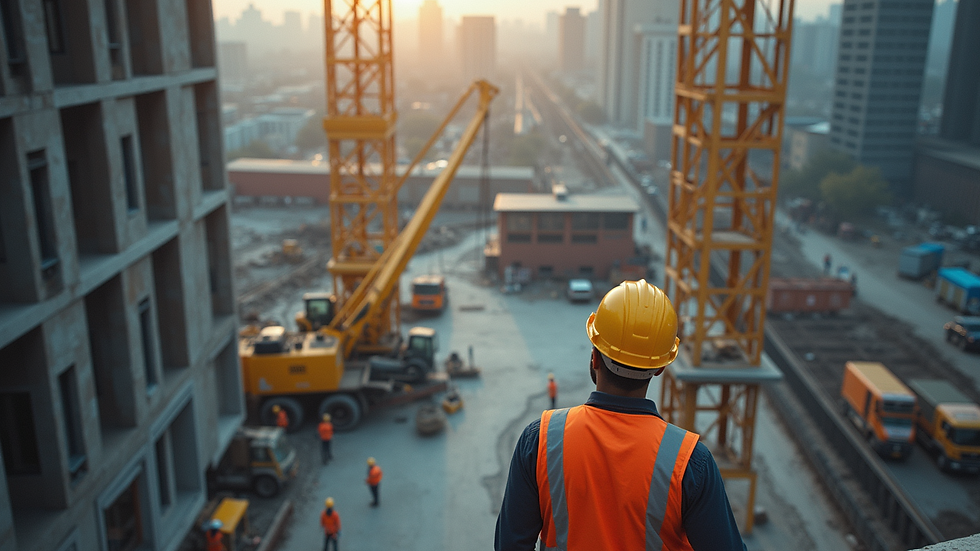
Understanding the Importance of Safety in Construction
Safety in construction is not just a regulatory requirement; it is a moral obligation. Every year, thousands of construction workers are injured or killed on the job. According to the Occupational Safety and Health Administration (OSHA), falls, being struck by objects, electrocutions, and caught-in/between incidents are the leading causes of fatalities in the construction industry.
By prioritizing safety, companies can:
Protect workers: Ensuring that employees return home safely every day is paramount.
Reduce costs: Fewer accidents lead to lower insurance premiums and less downtime.
Enhance productivity: A safe work environment boosts morale and efficiency.
Conducting a Thorough Risk Assessment
Before any construction project begins, a comprehensive risk assessment should be conducted. This involves identifying potential hazards and evaluating the risks associated with them.
Steps for Conducting a Risk Assessment
Identify hazards: Walk through the site and note any potential dangers, such as unguarded machinery or uneven surfaces.
Evaluate risks: Determine how likely it is that each hazard could cause harm and the severity of potential injuries.
Implement controls: Develop strategies to mitigate identified risks, such as installing guardrails or providing personal protective equipment (PPE).
Personal Protective Equipment (PPE)
PPE is a critical component of construction safety. It helps protect workers from various hazards they may encounter on the job site.
Essential PPE Items
Hard hats: Protect against head injuries from falling objects.
Safety glasses: Shield eyes from dust, debris, and chemicals.
High-visibility clothing: Ensure workers are easily seen, especially in low-light conditions.
Steel-toed boots: Provide foot protection from heavy materials.
Gloves: Protect hands from cuts, abrasions, and chemicals.
Training on PPE Use
It is essential that all workers are trained on the proper use and maintenance of PPE. Regularly inspect equipment for wear and tear, and replace items as necessary.
Training and Education
Regular training is vital for maintaining a safe construction site. Workers should be educated on safety protocols, equipment operation, and emergency procedures.
Types of Training to Consider
Safety orientation: New employees should receive an overview of safety policies and procedures.
Equipment training: Workers must be trained on how to operate machinery safely.
First aid and CPR: Having trained personnel on-site can save lives in emergencies.
Implementing Safety Protocols
Establishing clear safety protocols is essential for minimizing risks on construction sites. These protocols should be communicated to all workers and enforced consistently.
Key Safety Protocols
Daily safety meetings: Hold briefings to discuss potential hazards and safety measures.
Incident reporting: Encourage workers to report near misses and accidents to identify areas for improvement.
Emergency procedures: Develop and communicate a plan for emergencies, including evacuation routes and contact information for emergency services.
Maintaining a Clean Work Environment
A cluttered worksite can lead to accidents. Keeping the area clean and organized is crucial for safety.
Tips for Maintaining Cleanliness
Regularly remove debris: Schedule daily clean-up times to keep the site tidy.
Properly store materials: Ensure that materials are stored safely and securely to prevent tripping hazards.
Designate walkways: Clearly mark paths for workers to follow, keeping them separate from areas where heavy machinery operates.
Equipment Safety
Heavy machinery is a common feature on construction sites, and ensuring its safe operation is critical.
Equipment Safety Tips
Regular maintenance: Schedule routine inspections and maintenance for all machinery.
Proper training: Ensure that only trained personnel operate heavy equipment.
Use safety features: Always utilize safety features such as seat belts and alarms.
Fall Protection
Falls are one of the leading causes of injuries and fatalities in construction. Implementing fall protection measures is essential for worker safety.
Fall Protection Strategies
Guardrails: Install guardrails around elevated areas to prevent falls.
Safety nets: Use safety nets to catch workers who may fall from heights.
Personal fall arrest systems: Equip workers with harnesses and lanyards when working at heights.
Electrical Safety
Electrical hazards are prevalent on construction sites. Proper precautions must be taken to prevent electrocution and electrical fires.
Electrical Safety Measures
Use ground fault circuit interrupters (GFCIs): These devices can prevent electrical shock by shutting off power when a fault is detected.
Inspect cords and equipment: Regularly check electrical cords and tools for damage.
Train workers: Ensure that all workers understand electrical safety protocols.
Hazard Communication
Effective communication about hazards is vital for maintaining safety on construction sites.
Key Elements of Hazard Communication
Labeling: Ensure that all hazardous materials are clearly labeled.
Safety Data Sheets (SDS): Maintain accessible SDS for all chemicals used on site.
Training: Educate workers on how to read labels and understand SDS.
Emergency Preparedness
Being prepared for emergencies can save lives. Develop a comprehensive emergency response plan tailored to the specific risks of your construction site.
Components of an Emergency Response Plan
Emergency contacts: List important phone numbers, including local emergency services.
Evacuation routes: Clearly mark and communicate evacuation routes to all workers.
First aid kits: Ensure that first aid kits are readily available and stocked.
Conclusion
Construction safety is a shared responsibility that requires commitment from everyone involved. By implementing these essential safety tips, you can create a safer work environment that protects workers and enhances productivity. Remember, safety is not just about compliance; it is about caring for the well-being of your team. Prioritize safety on every project, and ensure that every worker returns home safely at the end of the day.
By fostering a culture of safety, you not only comply with regulations but also build a reputation as a responsible and caring employer. Take the first step today by reviewing your safety protocols and making necessary improvements. Your team’s safety is worth it.


Comments